
Exploring the psychology of gambling in casinos
The allure of gambling: Understanding the initial attraction
The allure of gambling in casinos stems from a potent mix of excitement, anticipation, and the thrill of risk-taking. For many, stepping into a casino feels like entering a world of possibilities, where fortunes can be made with a single roll of the dice or a turn of a card. The glitz and glamour of these environments are meticulously designed to stimulate the senses, drawing in patrons with the promise of exhilaration and potential winnings, especially when they consider options for uk casino fast withdrawal that enhance their gaming experience. The psychological appeal lies in the uncertainty and the inherent human fascination with chance, which can sometimes overshadow the rational considerations of the risks involved.
Moreover, the environment within casinos is crafted to enhance this allure. Bright lights, vibrant colors, and enticing sounds create an atmosphere that heightens excitement and engagement. This sensory overload not only captures attention but also encourages prolonged stays, as players become enveloped in the casino’s ambiance. The array of games available ensures that there is something for everyone, catering to varying levels of risk tolerance and personal preference. This accessibility can lead to a feeling of belonging, particularly for those who might feel isolated in their everyday lives. The initial attraction to gambling often snowballs as players chase the high they feel when they win, creating a potentially addictive cycle.
Another critical psychological aspect is the role of social interaction. Many gamblers enjoy the communal experience of playing games alongside others, whether at a card table or the slot machines. This social dimension can enhance the excitement and contribute to a shared sense of enjoyment. The camaraderie among players can foster an environment where individuals feel encouraged to gamble more, as they feed off the energy and enthusiasm of those around them. This dynamic further solidifies the culture surrounding casinos as not just places to gamble, but also vibrant social hubs that can amplify the allure of gambling.
The role of cognitive biases in gambling behavior
Cognitive biases play a significant role in the gambling behavior observed in casinos, shaping how individuals perceive risks and rewards. One common bias is known as the «gambler’s fallacy,» where individuals mistakenly believe that past events influence future outcomes. For example, a player may think that because a particular number has not appeared recently on a roulette wheel, it is more likely to come up soon, leading to impulsive betting decisions. This misunderstanding of probability can result in larger bets and increased losses, ultimately affecting their psychological state and leading to frustration and disillusionment.
Another significant bias is the «illusion of control,» where gamblers believe that they can influence the outcome of random events through their actions. This bias is especially prevalent in games like poker, where players feel their skill and strategies give them an edge, despite the randomness involved. The belief in one’s ability to control outcomes can lead to overconfidence, resulting in repeated gambling even after experiencing losses. This cycle can make it exceedingly difficult for individuals to recognize when to stop, often leading them deeper into problematic gambling behavior.

Additionally, the concept of «near misses» is a powerful psychological factor that can keep players engaged. A near miss occurs when a player comes close to winning but ultimately falls short, such as when a slot machine displays two matching symbols followed by a different one. This experience can feel like a win in the mind of the gambler, as it triggers the same pathways in the brain associated with actual victories. Consequently, near misses can reinforce the desire to continue playing, even in the face of repeated losses, as individuals chase that elusive big win, further complicating their gambling psychology and solidifying their attachment to the activity.
The impact of emotions on gambling decisions
Emotions significantly influence gambling decisions, often leading bettors to make choices that defy logic and rationality. Positive emotions, such as excitement and happiness, can amplify the desire to gamble, creating a sense of invincibility that clouds judgment. When individuals are caught up in the moment, they may be more inclined to take risks or increase their wagers, believing that luck is on their side. This emotional state can distract from the financial implications and cause players to underestimate their losses, making it increasingly difficult to walk away from the gaming table without suffering significant consequences.
Conversely, negative emotions like stress, anxiety, or depression can also drive gambling behavior. Some individuals may turn to gambling as a coping mechanism, seeking an escape from their daily problems or emotional turmoil. This reliance on gambling to manage feelings can quickly spiral into a damaging cycle, where wins provide temporary relief, but losses exacerbate existing emotional issues. Here, gambling becomes both a source of temporary pleasure and a potential contributor to long-term psychological distress, complicating the mental landscape of the individual and making it harder to establish a healthy relationship with gambling.
Additionally, the role of self-control cannot be overlooked in the context of emotional decision-making in gambling. When emotions run high, the ability to exercise self-control can diminish significantly. This loss of restraint can lead to impulsive behaviors, such as chasing losses or increasing bets to regain a lost sense of control. Individuals often find themselves in a precarious position, torn between their emotional impulses and logical reasoning. Understanding this emotional dynamic is essential for recognizing when gambling becomes a detrimental habit rather than an enjoyable pastime, and developing strategies to manage one’s emotions can be key to maintaining a balanced approach to gambling.
The social and cultural influences on gambling behavior
The social environment and cultural attitudes towards gambling significantly shape individual behaviors and perceptions of casinos. In many cultures, gambling is viewed as a form of entertainment, a tradition that can enhance social gatherings and celebrations. This acceptance can increase participation rates, as it normalizes the act of gambling within social settings. Peer pressure, family traditions, and community practices can encourage individuals to engage in gambling, often without a full understanding of the risks involved. This cultural context can further embed gambling into social practices, making it harder for individuals to recognize when their behavior crosses into problematic territory.
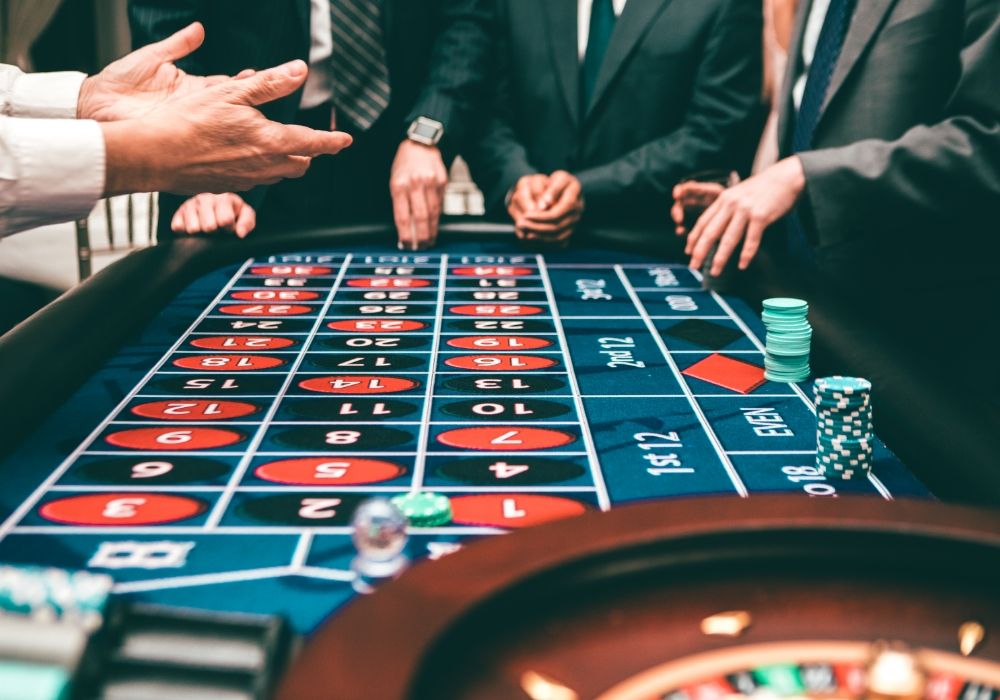
Furthermore, the impact of advertising and media representations cannot be underestimated. Modern marketing strategies used by casinos often glamorize gambling, portraying it as an exciting and luxurious lifestyle. These portrayals can create unrealistic expectations and encourage individuals to partake in gambling, believing it to be a viable means of entertainment or financial gain. This perception can lead to increased participation among diverse demographics, from casual gamers to those at risk of developing gambling problems, as the allure of quick wealth and social status becomes a tempting narrative.
Additionally, societal stigmas surrounding gambling behavior influence how individuals perceive themselves and others within the context of gambling. Those struggling with compulsive gambling may face judgment or isolation, which can exacerbate their situation. Conversely, individuals who are seen as successful gamblers may be idolized, creating a disparity in how gambling is regarded within various social circles. This dichotomy can impact individuals’ willingness to seek help or acknowledge their gambling struggles, perpetuating unhealthy behaviors and attitudes toward gambling. Recognizing these cultural narratives is essential for creating supportive environments that encourage responsible gambling practices.
Understanding the psychological resources for responsible gambling
Understanding the psychological aspects of gambling is crucial for fostering responsible gambling behaviors. Education and awareness programs that highlight the risks associated with gambling can equip individuals with the tools needed to make informed decisions. These programs focus on understanding cognitive biases and emotional influences, encouraging players to reflect on their motivations for gambling. By providing individuals with critical insights into their behaviors, they can better recognize when they are gambling responsibly or crossing into riskier territory, ultimately promoting healthier gambling habits.
In addition to educational programs, support networks and resources play an essential role in promoting responsible gambling. Many casinos and organizations offer support systems for those struggling with gambling-related issues, allowing individuals to seek help without fear of judgment. These resources provide essential information about recognizing signs of problem gambling and offer strategies to manage urges and maintain control. Access to trained counselors and peer support groups can be invaluable in navigating the complexities of gambling psychology and fostering a sense of community among those seeking to change their habits.
Lastly, promoting a culture of moderation and self-regulation within the gambling community is vital. By encouraging open conversations about gambling behaviors and the importance of setting limits, individuals can foster a healthier relationship with gambling. Responsible gambling initiatives that engage both players and casino operators can create an environment where informed choices are prioritized, reducing the likelihood of negative consequences. Ultimately, understanding the interplay between psychology and gambling can empower individuals to enjoy the experience while minimizing risks to their emotional and financial well-being. Through ongoing education and support, a more responsible gambling culture can be cultivated, benefiting both individuals and the broader community.